South Africa’s food culture has changed noticeably over the past decade. There is a stronger appreciation for how things are made, who makes them, and why quality matters. Chocolate has followed this shift. What was once dominated by large commercial producers now includes a growing number of skilled makers focused on craft, restraint, and detail.
This movement has helped position chocolatiers in South Africa as part of a broader return to thoughtful production rather than volume-led manufacturing.
From Mass Production to Handmade
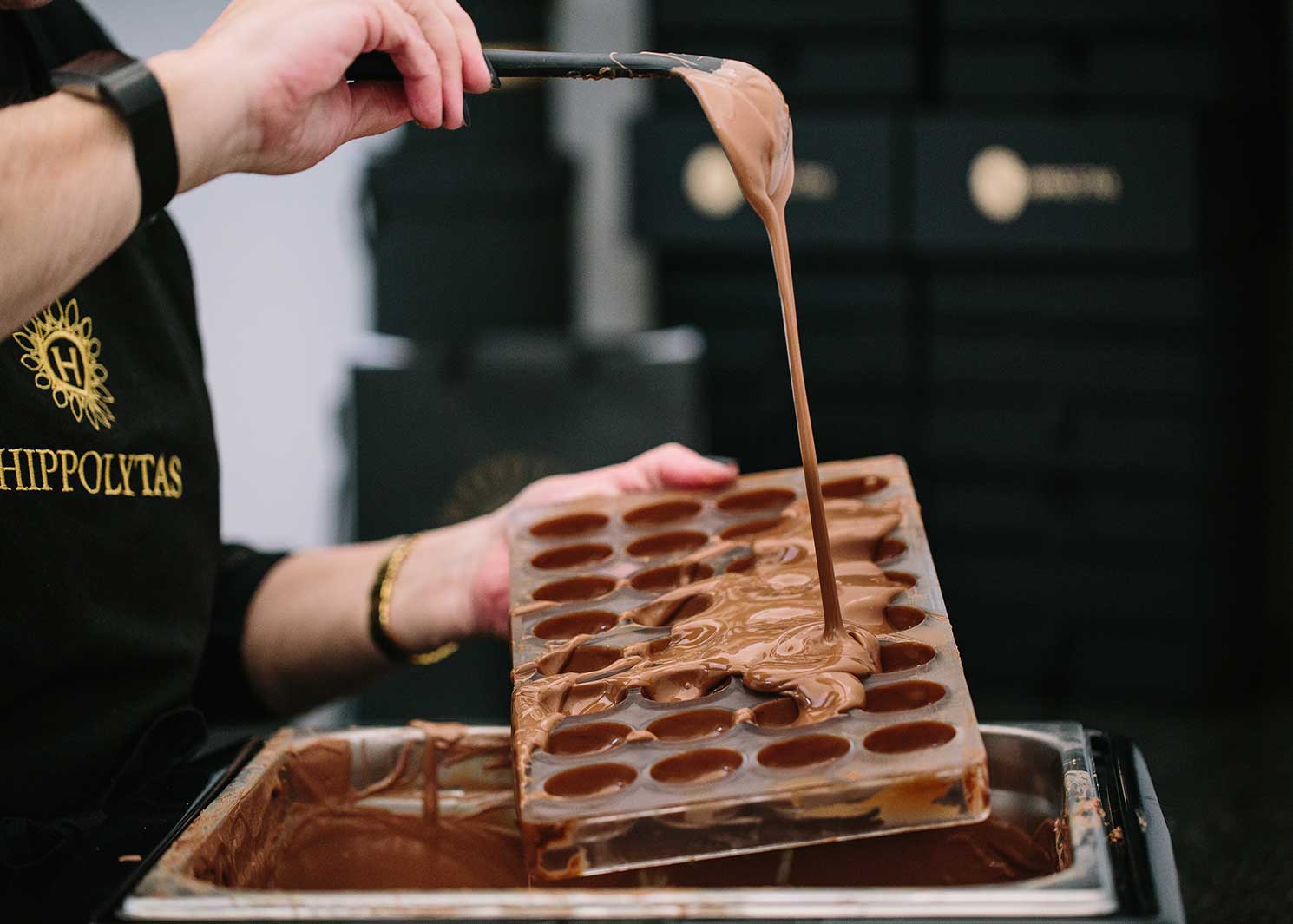
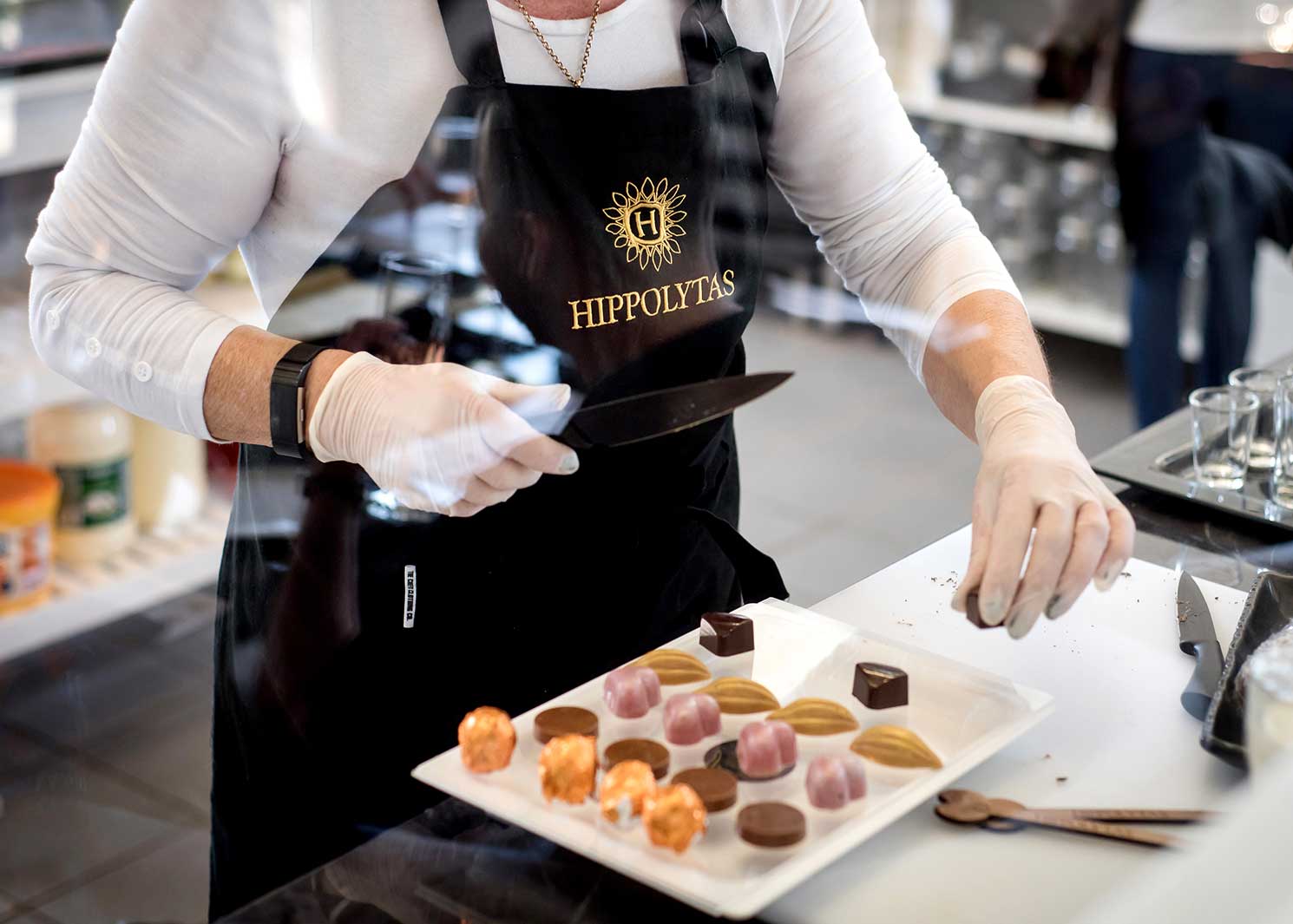
Artisanal chocolatiers approach chocolate differently. Instead of producing at scale, they work in smaller batches where each stage of the process is closely monitored. Tempering, moulding, finishing, and packaging are often done by hand, allowing for better control over texture, flavour balance, and presentation.
This slower process results in chocolate that feels deliberate. Flavours are cleaner. Finishes are more refined. The end product reflects time and attention rather than efficiency alone.
For the consumer, that difference is noticeable from the first bite.
Why South Africa Has Become a Strong Home for Craft Chocolate
South Africa offers the right conditions for artisanal chocolate to thrive. There is a strong hospitality industry, a growing interest in premium food experiences, and an audience that values locally made products.
Many chocolatiers work closely with hotels, restaurants, and brands that care about consistency and presentation. This proximity allows for collaboration, custom formats, and chocolates designed specifically for how they will be used, whether as a gift, a turndown treat, or part of a larger experience.
Local production also allows for flexibility, which is difficult to achieve with imported or mass-produced alternatives.
A Focus on Quality over Trends
One of the defining traits of artisanal chocolatiers is restraint. Rather than chasing constant change or dramatic flavour combinations, many focus on getting the fundamentals right.
This means balanced sweetness, clean finishes, and chocolates that appeal to a wide audience without feeling basic. It also means packaging that feels refined rather than loud, allowing the chocolate itself to take centre stage.
This approach has proven especially valuable in professional and hospitality settings, where subtlety often carries more weight than excess.
The Role of Chocolatiers in Gifting and Hospitality
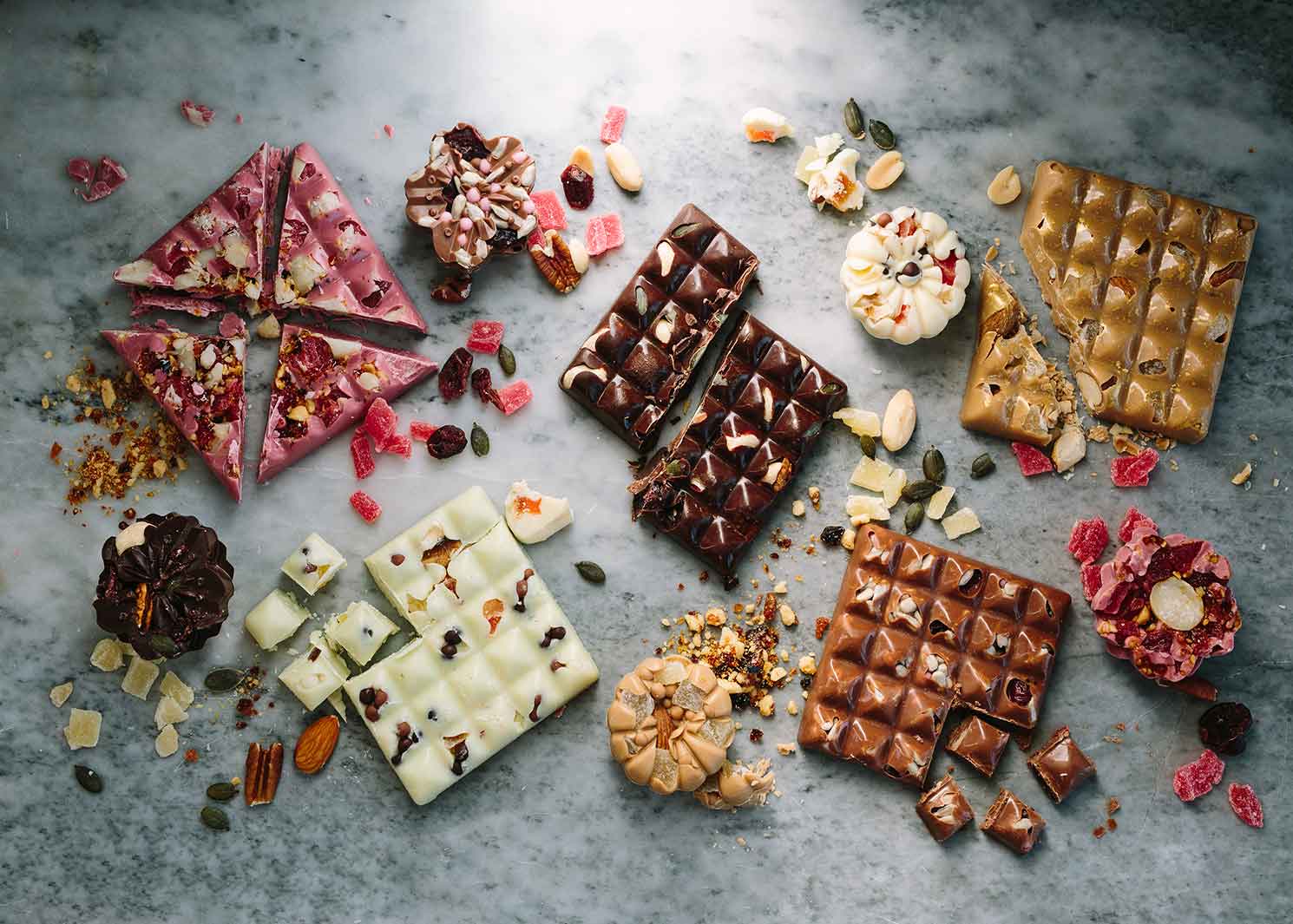
Artisanal chocolatiers play an important role in gifting and guest experiences. In these environments, chocolate is not just a product. It becomes part of how a brand is perceived.
A well-made piece of chocolate can reinforce a sense of care, quality, and attention to detail. It fits naturally into moments of welcome, appreciation, and celebration without needing explanation.
This is why many hotels and businesses choose to work with chocolatiers who understand these environments and design their products accordingly.
Choosing an Artisanal Chocolatier
For buyers, choosing a chocolatier often comes down to trust. Reliability, consistency, and an understanding of how the chocolate will be used matter as much as flavour.
A chocolatier focused on craft will prioritise quality at every stage, from ingredients and production to packaging and delivery. That focus shows in the final product and in how it is received.

Final Thought
The rise of artisanal chocolatiers in South Africa reflects a broader shift toward care, intention, and quality. These makers are not trying to be everything to everyone. They are focused on doing one thing well.
For those who value thoughtful production and refined experiences, that approach makes all the difference.